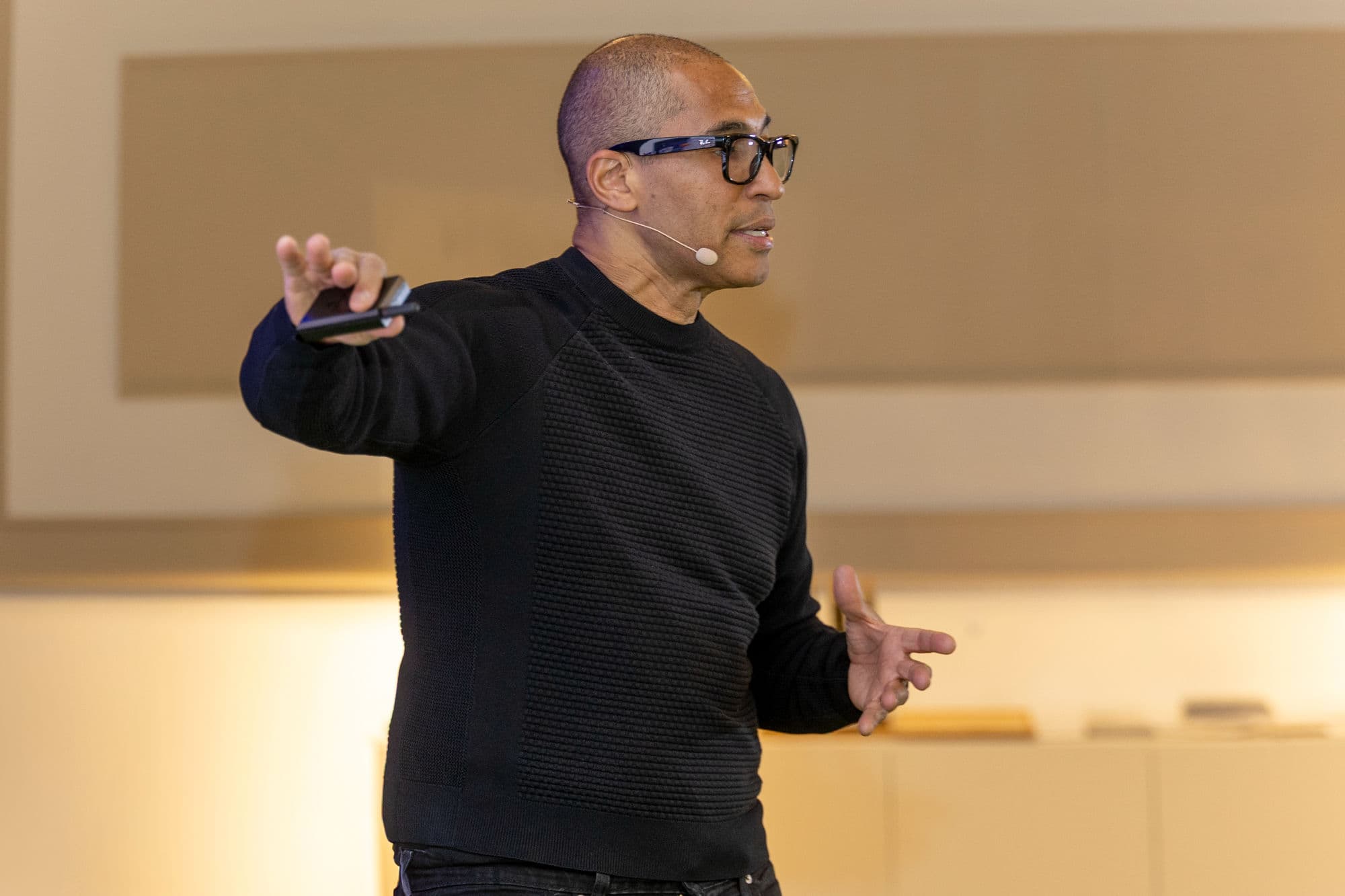
Taking back control of what cannot be delegated
When AI analyses, recommends and acts, what is left for leaders to decide?
AI governance is not a charter. It begins when the leadership team chooses what can be delegated, what requires human oversight, and what must be owned, without ambiguity, by a person.
The NIST AI Risk Management Framework structures risk management around explicit responsibilities, measurements and governance across the whole AI lifecycle.
NIST, AI Risk Management FrameworkThe committee can no longer outsource the question
For several years, leaders asked what AI could do. Now systems can also recommend, trigger actions and shape decisions. The question becomes political in the most concrete sense: who decides, on what criteria, and who answers for the result?
A usage policy is necessary. It does not, however, settle the real cases: a sales recommendation, a hire, a risk decision, an allocation of resources or a sensitive communication. Those choices quickly reveal the disagreements that general principles hide.
Leading the augmented company is an executive experience. The input is short. The main material is the decisions and the tensions of the committee in the room.
The question it addresses
When AI can analyse, recommend and act, what is left for leaders to decide, to check and to answer for?
Who it is for
Executive committees, leadership teams, boards, leadership clubs and networks. The format suits groups of eight to thirty people particularly well.
- Leadership team
- Governance
- Leadership
- Judgement
Choose it if the committee needs to align its positions, set red lines or prepare to address the organisation.
What the keynote sets in motion
Mapping the decisions, not only the risks
The committee separates decisions that can be automated, those that call for human validation and those that must not be delegated. The discussion is about concrete calls, not about an abstract technology.
Putting example at the centre
How leaders use AI themselves sends a stronger signal than a great deal of internal communication. The session helps the committee decide what it wants to show, to encourage and to frame.
Leaving with a position that can be shared
The aim is not to manufacture a complete strategy in one session. It is to come away with a few clear decisions, a shared vocabulary and the questions that still need working through.
Ground already covered on stage
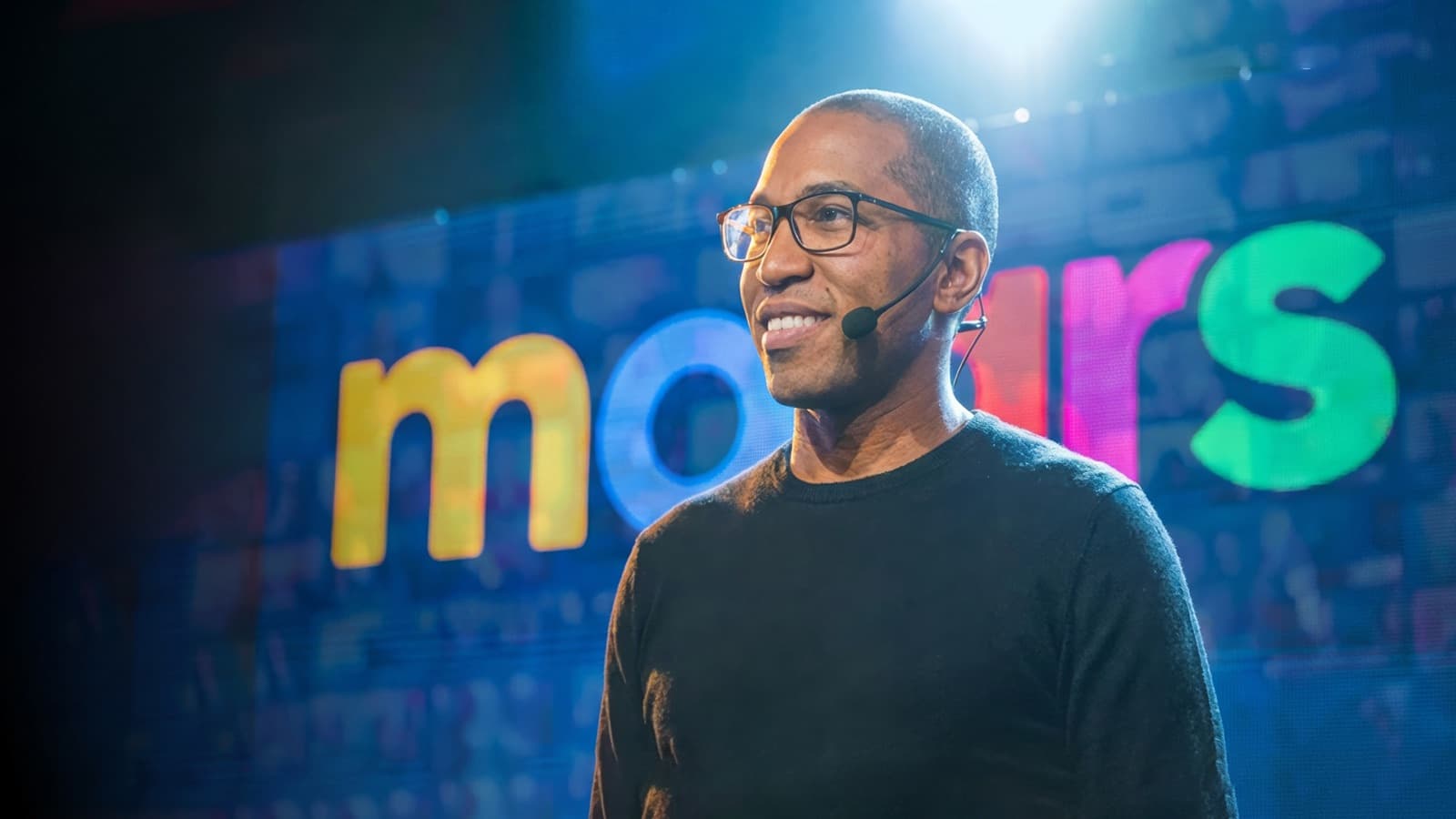
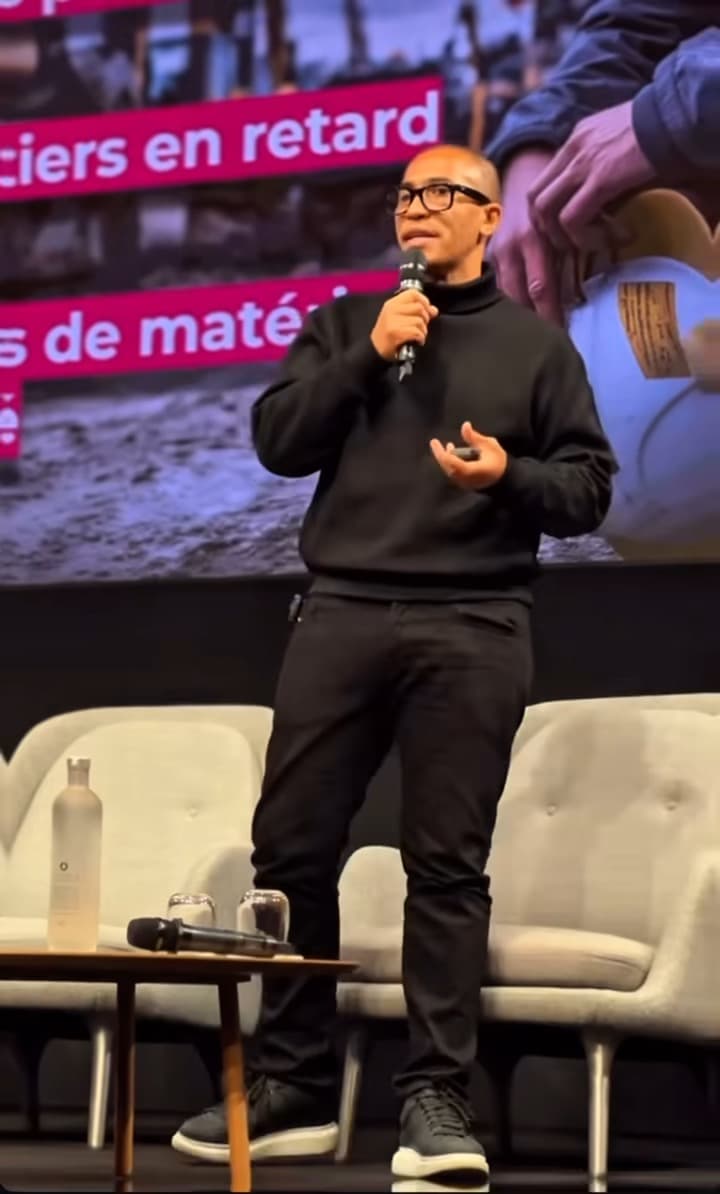
At the IBM Ecosystem Summit, Salime spoke on “Winning or losing in the age of AI”. That public reference attests to his ability to put AI at the level of strategic choices and leadership responsibility.
It does not replace your own context. Before the session, Salime works with the sponsor to identify which decisions deserve to be put on the table and which subjects must stay confidential.
The executive experience
The session can start from a recent decision, deliberately anonymised. The committee examines what was delegated to the tool, what was checked and what was owned. The divergences become visible, and therefore workable.
This format does not chase artificial consensus. It turns disagreement into decision criteria. That is what lets the committee leave with a position sturdier than a statement of intent.
Formats
45 to 60 minutes for an executive talk. Up to 90 minutes or half a day for deeper working format. French or English. The cases used are agreed beforehand and can remain strictly internal.
The questions that come up
Is this a talk or a workshop?
The format combines both. It alternates short reference points, structuring questions and work on situations close to your real decisions.
Does the committee need to be aligned already?
No. Disagreement is often the very reason for the session. The point is to move it from opinions to criteria that can be shared.
Can it come before a convention?
Yes. The committee can clarify its position beforehand, then address the rest of the organisation with choices it genuinely owns.
What does it cost?
The fee depends on the length, the location, the language and the depth of preparation. For an executive experience, tailoring can include interviews and the study of internal cases. A rough envelope lets us define the right scope quickly.
Make AI a leadership subject
If decisions are moving faster than your accountability framework, this session puts the committee back at the centre.
Prepare an executive session with SalimeThe other keynotes
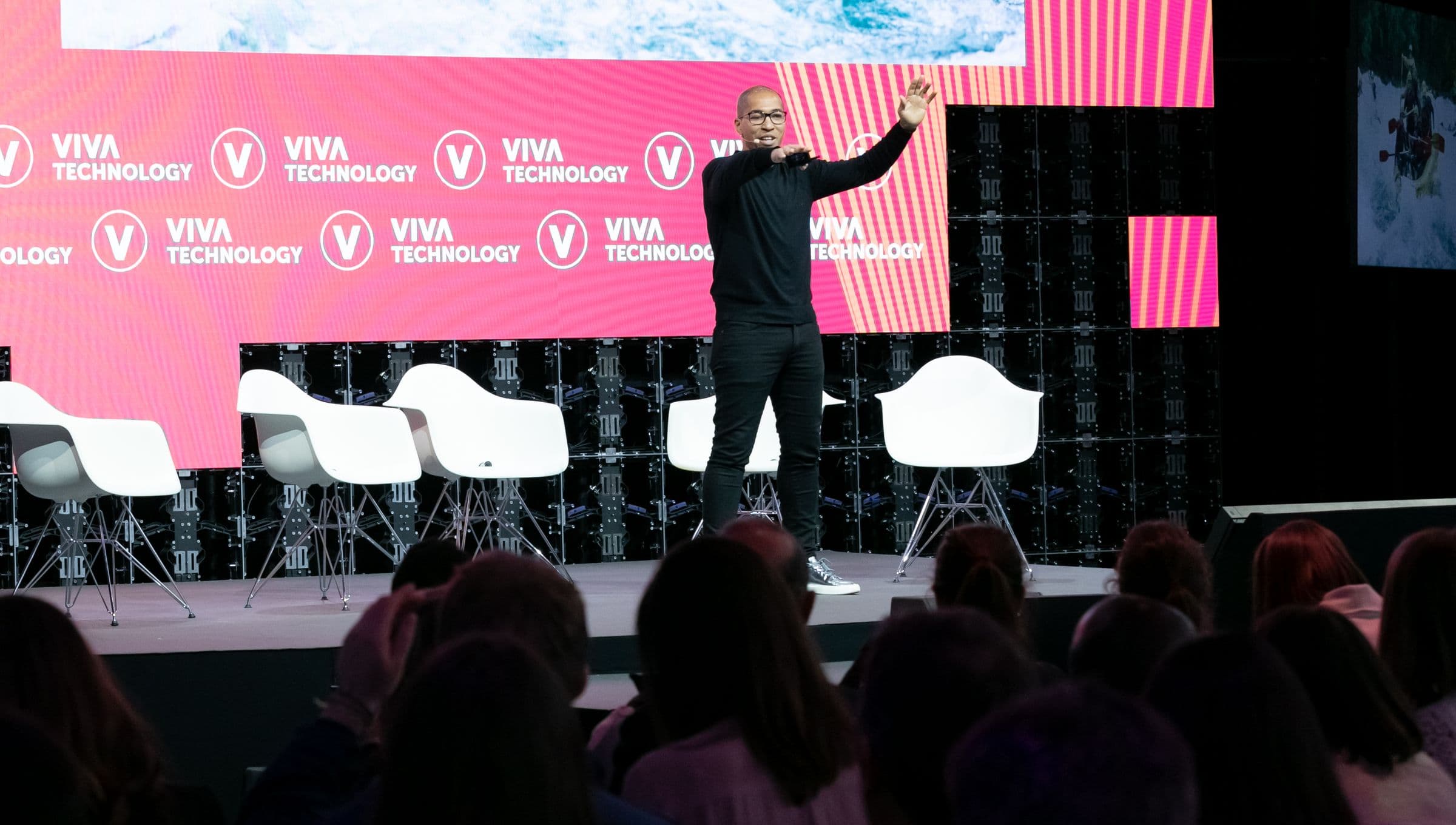 Signature keynoteCollective adoption
Augmented talent
Taking a whole organisation from AI ambition to real use.
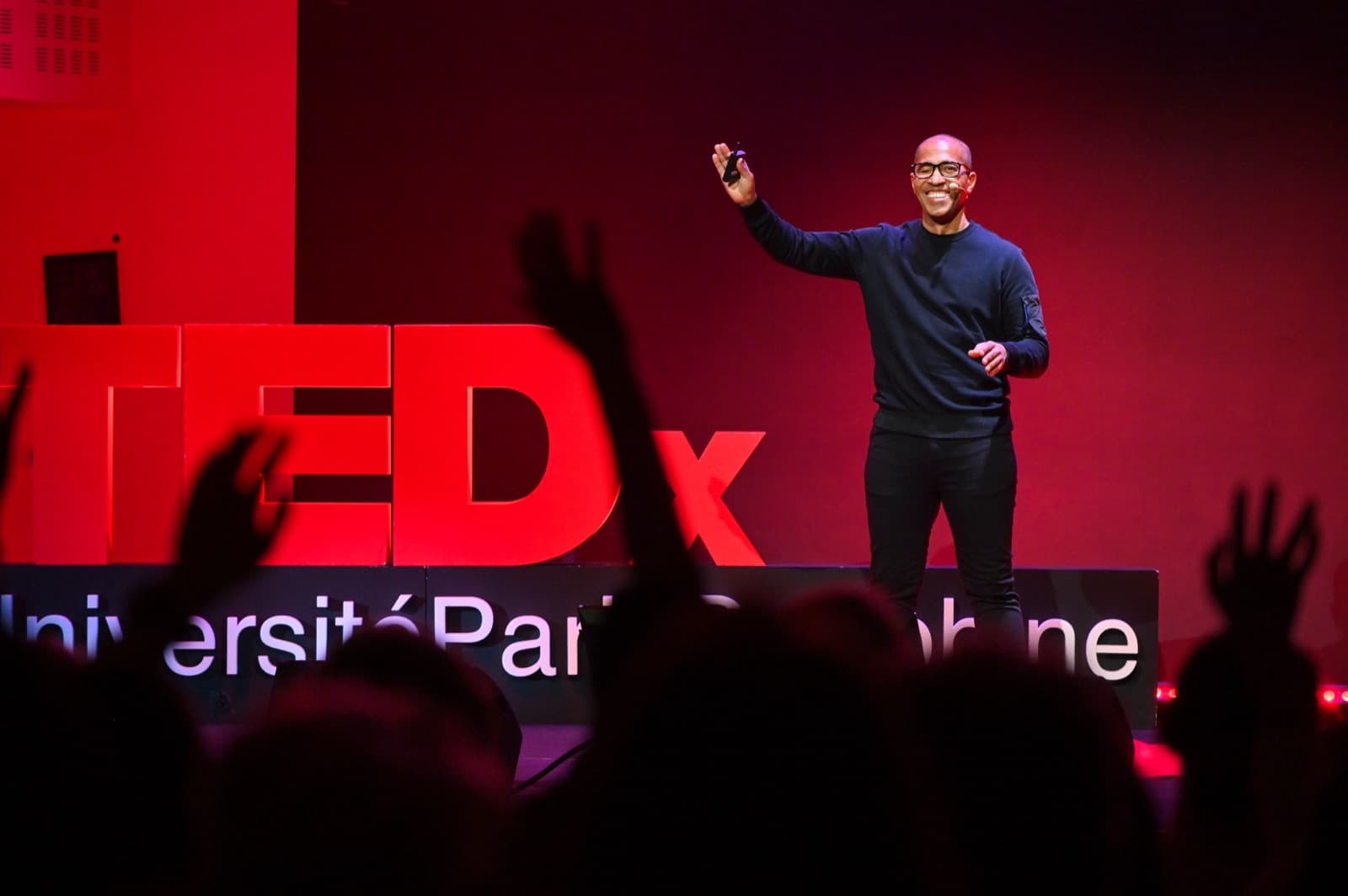 Strategic keynotes · Skills
The human advantage
The skills that gain value once expertise becomes free.
 Strategic keynotes · Decision-making
Deciding when everything speeds up
Deciding with AI without giving up quality or responsibility.
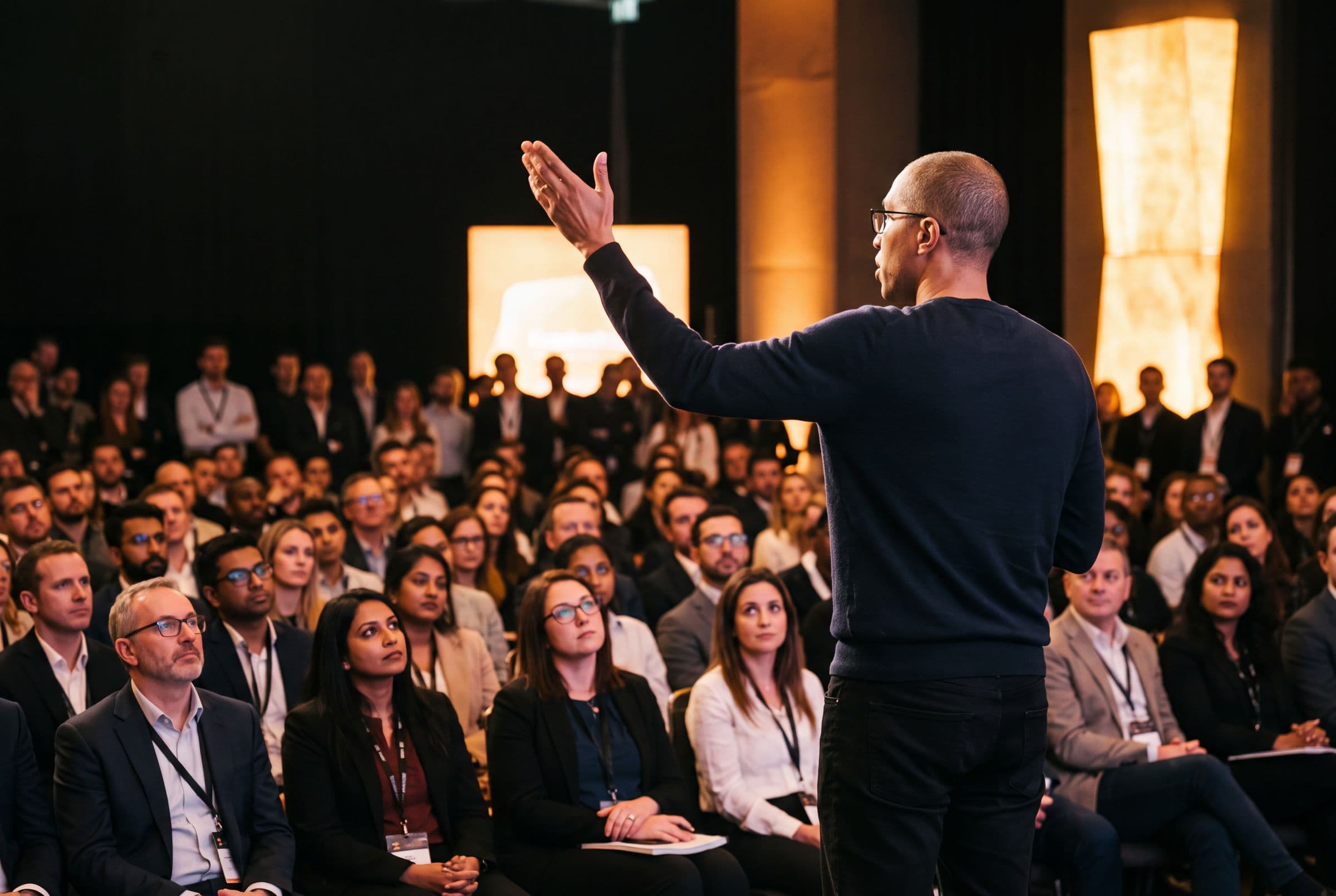 Strategic keynotes · Cooperation
Collective intelligence, first of all
Working better together in teams augmented by AI.
 Strategic keynotes · Adaptability
Learning faster than the world changes
Making adaptability a permanent collective capability.
 Modular keynote · by function
Your function, augmented
What AI really changes in your teams' daily work, function by function.