
Deciding with AI without giving up your judgement
AI produces answers in seconds. It does not carry the responsibility for you.
The problem is no longer getting an analysis. It is knowing what it leaves out, what makes it credible, and at what point a human has to slow down enough to take back control.
In McKinsey's 2025 survey, 39% of respondents attribute an impact on their organisation's EBIT to AI, most of them placing it below 5% of that EBIT. As AI enters the results, the quality of decisions and controls becomes a leadership question.
McKinsey, The State of AI in 2025More analysis does not mean better decisions
Papers are summarised faster, scenarios presented better and recommendations made more convincing. The time available to decide does not grow. A fluent answer can then be mistaken for a solid one.
As more steps of the reasoning are delegated, another risk appears: no longer being able to explain how a conclusion was built. Yet a decision belongs to the person who signs it, even when it leans on a machine.
Deciding when everything speeds up does not try to slow the organisation down. It teaches it where to accelerate, where to verify, and where to keep an irreducible amount of human time.
The question it addresses
When AI multiplies the analysis and accelerates the choices, how do you preserve judgement, courage and accountability?
Who it is for
Leadership teams, management offsites, director meetings, leadership clubs and professional congresses.
- Decision
- Judgement
- Courage
- Prioritisation
Choose it if your teams have more information than ever but struggle to spell out their criteria, their trade-offs or their level of confidence.
What the keynote sets in motion
Recognising the decisions that require slowing down
Not every important decision is alike. The keynote separates those where AI usefully sheds light, those where it can hide uncertainty, and those where the consequences demand stronger checks.
Putting three questions back before the call
What is this recommendation based on? What is missing from it? What would we know if we had built the reasoning ourselves? Those simple questions change the quality of a conversation.
Making accountability explicit
Saying who decides, who checks and who answers for it does not slow action down. It lets you use AI with more composure, and with vigilance proportionate to the risk.
A decision replayed, not a lecture
The heart of the talk can take the form of a replay. A decision the room knows is examined once from the available recommendation, then a second time with the assumptions, the missing data and the discarded alternatives made visible.
The point is not to prove that humans are always right. It is to show what the decision process must preserve once the machine accelerates the production of answers.
Ground already covered on stage
At the Cartes Bancaires CB connected commerce day, Salime spoke on “Le commerce de demain : perspectives et prospectives”, on the future of commerce. That reference attests to public work on anticipation and choices in a shifting technological environment.
Formats
45 to 60 minutes. Up to 90 minutes with a decision exercise. French or English. For a small committee, internal cases can be prepared subject to framing beforehand.
The questions that come up
Is this a talk against AI?
No. It is aimed precisely at organisations that want to use AI more, without confusing speed, confidence and decision quality.
Does the audience have to be senior leaders?
Not necessarily. Everyone decides at their own level. The examples and the degree of responsibility adapt to the room.
How does it differ from Leading the augmented company?
Leading the augmented company is about governance and what can be delegated. Here the subject is the quality of the reasoning once AI has already produced an analysis or a recommendation.
What does it cost?
It depends on the format, the location, the language and the preparation work. If an internal case is to be used, that level of tailoring is built into the proposal.
Give your decisions the quality their speed demands
If your organisation is accelerating but wants to stay able to explain and own its choices, this keynote is for it.
Book Salime for Deciding when everything speeds upThe other keynotes
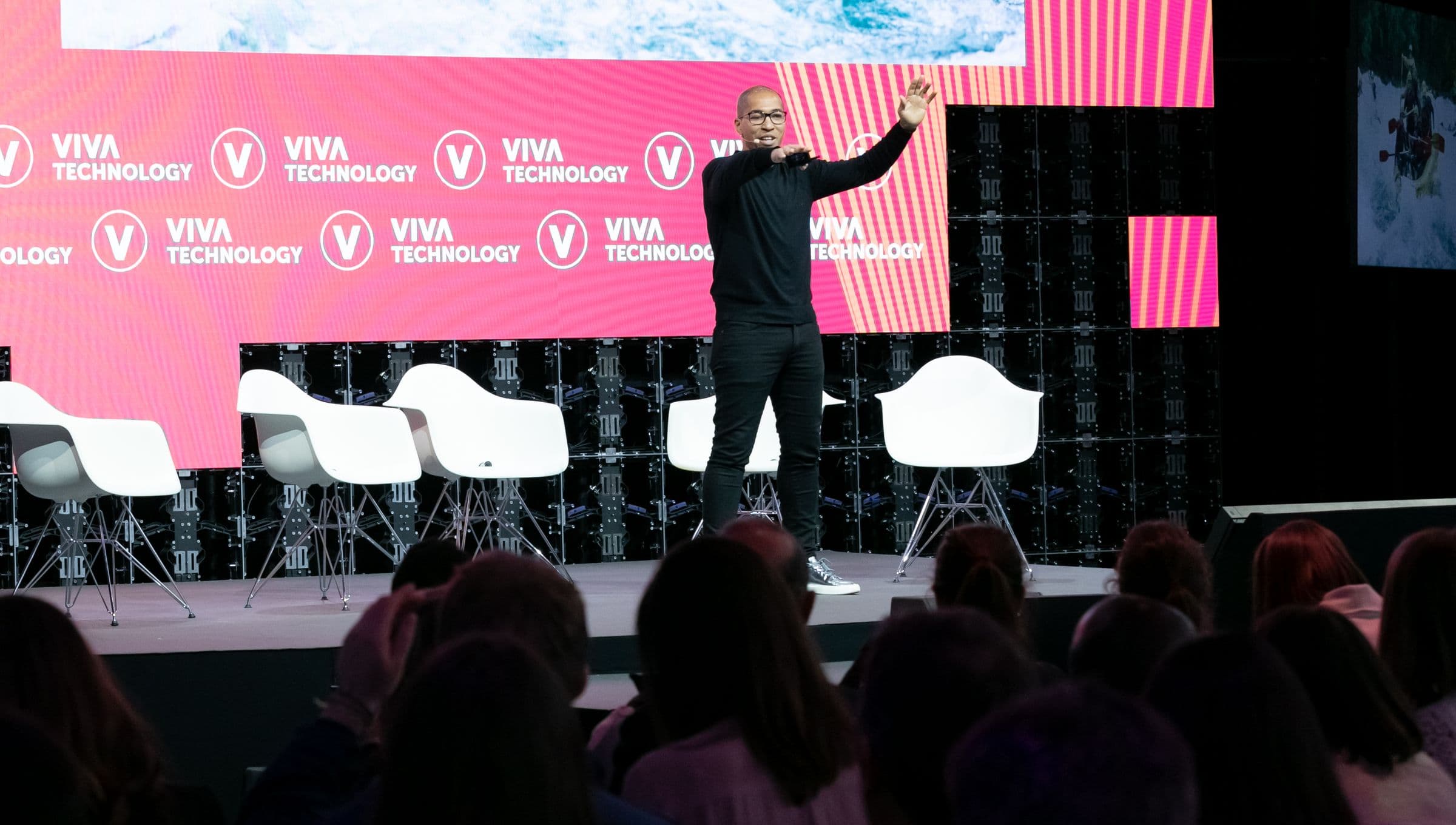 Signature keynoteCollective adoption
Augmented talent
Taking a whole organisation from AI ambition to real use.
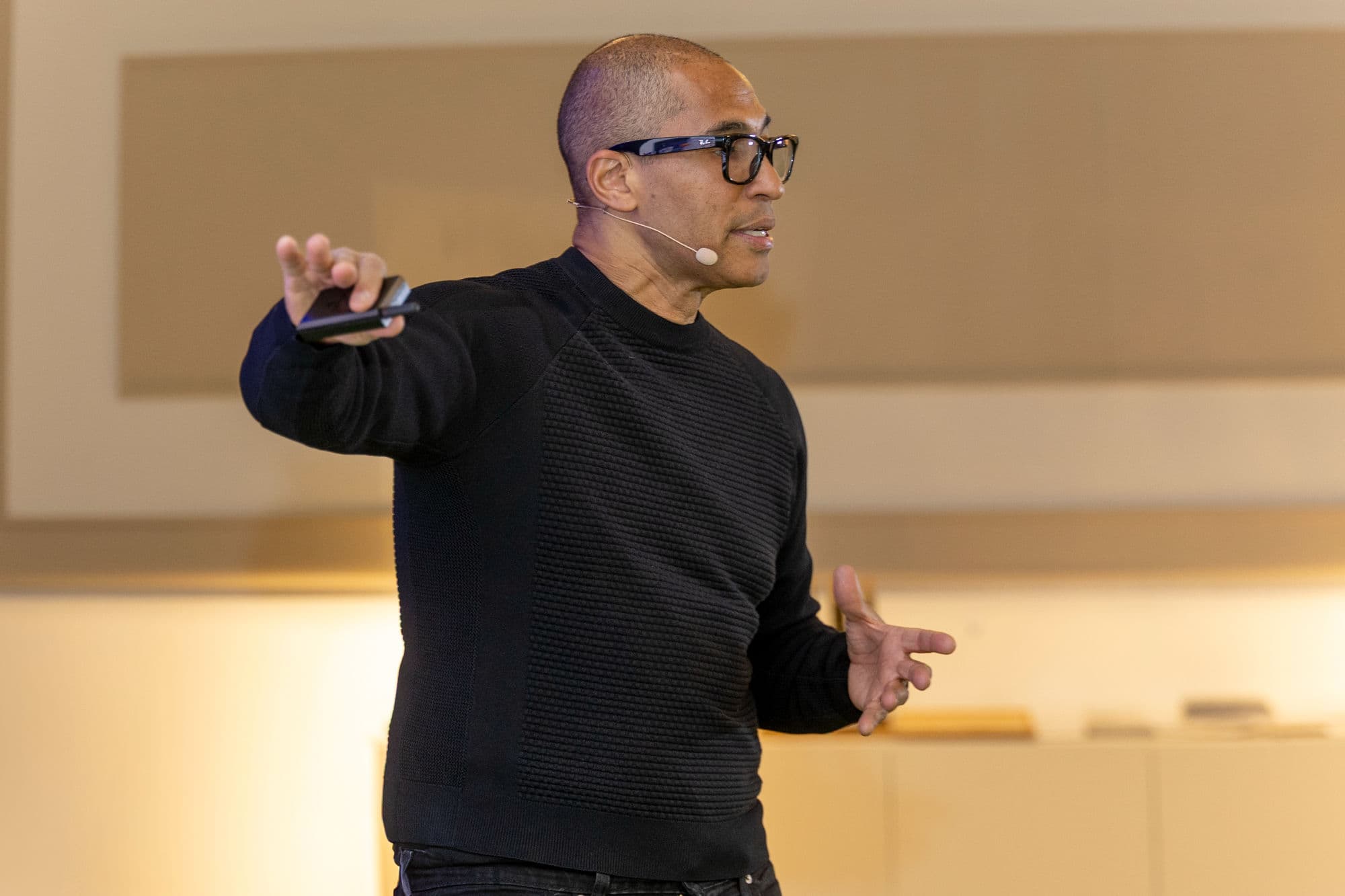 Premium executive experienceLeadership and governance
Leading the augmented company
Taking back control of what cannot be delegated to AI.
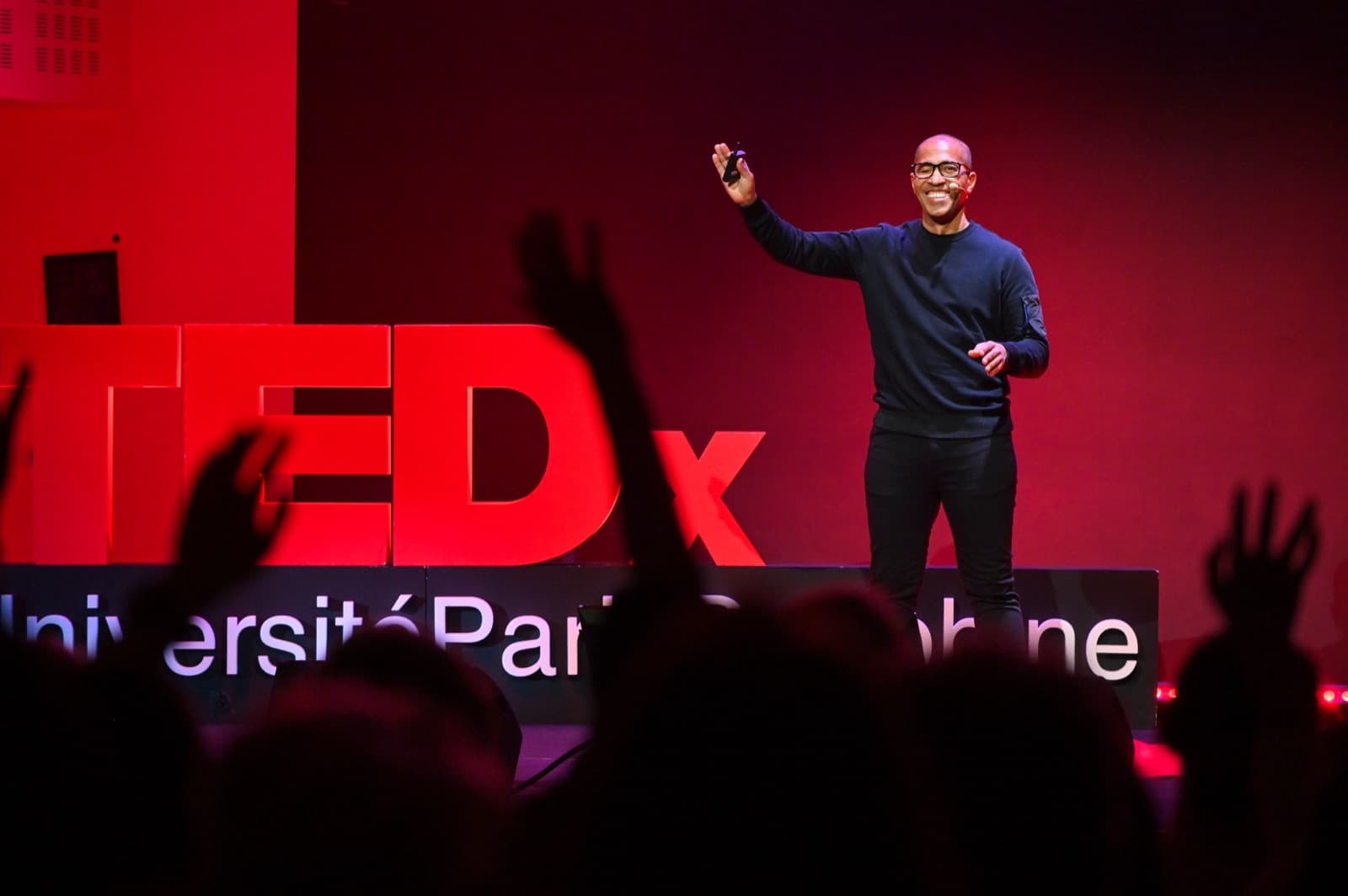 Strategic keynotes · Skills
The human advantage
The skills that gain value once expertise becomes free.
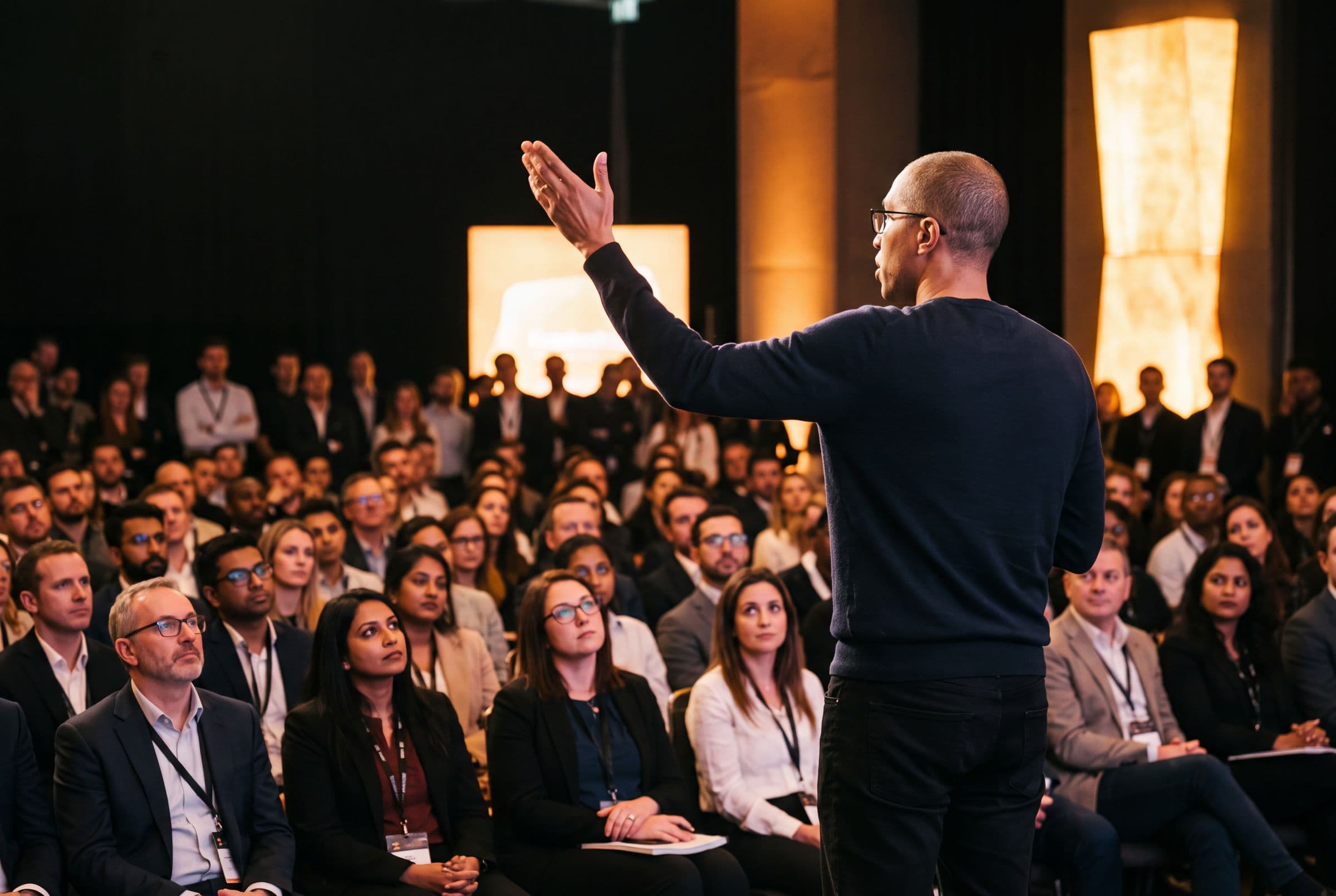 Strategic keynotes · Cooperation
Collective intelligence, first of all
Working better together in teams augmented by AI.
 Strategic keynotes · Adaptability
Learning faster than the world changes
Making adaptability a permanent collective capability.
 Modular keynote · by function
Your function, augmented
What AI really changes in your teams' daily work, function by function.